The journey
From the 2021 mobilisation to completion
2021
First partners' Round Table: FCFA 237 billion mobilised and launch of major electrification projects.
2024
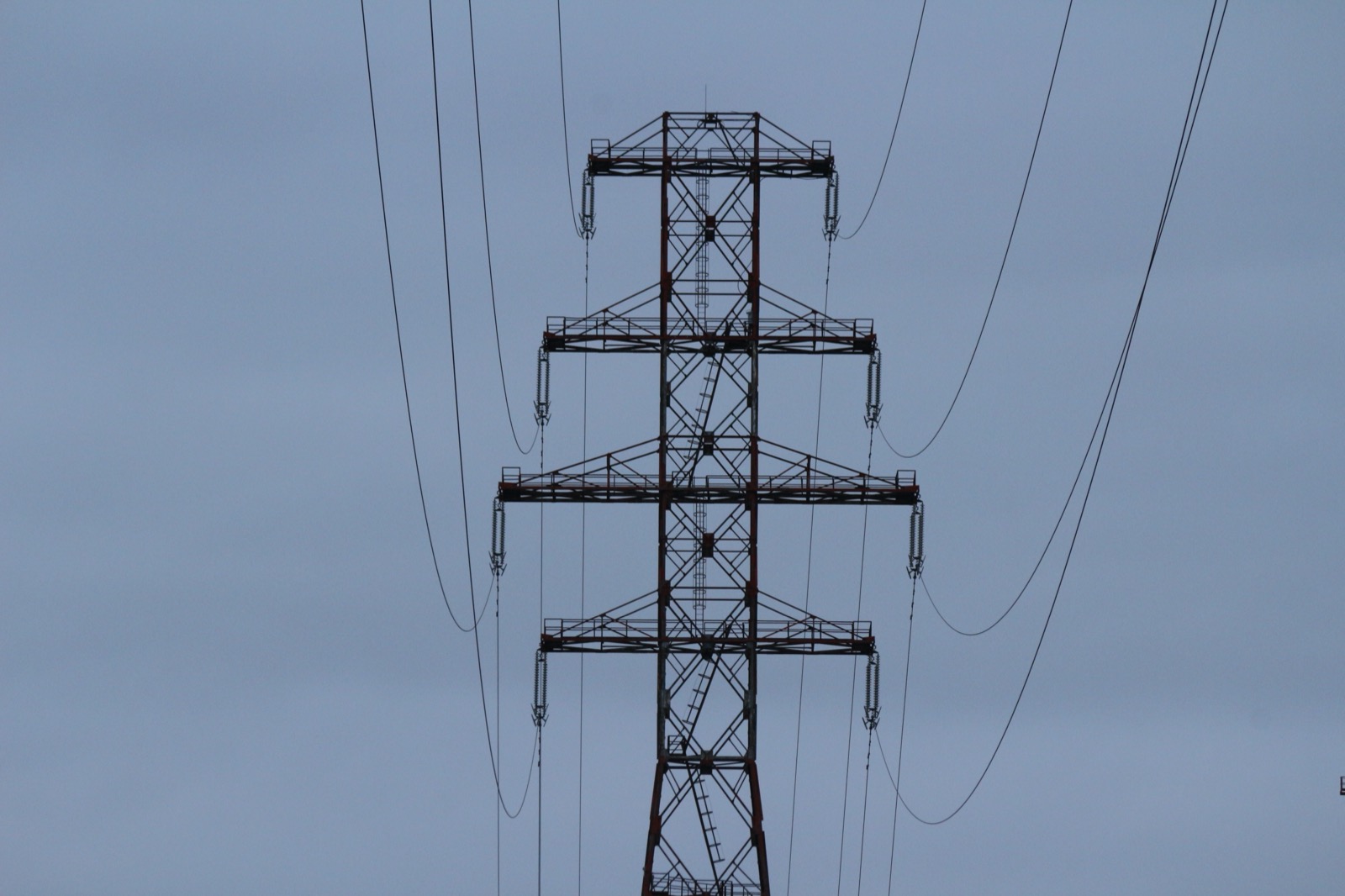
86.2% national electricity access, including 69.8% in rural areas. Completion of the national high-voltage grid.
2025
Electricity Code, creation of the UCS PAU unit and development of the Universal Access Completion Strategy (SAAUE).
2026
Round Table on 6 October: launch of the completion phase and formalisation of new financing.
2029
Universal access to electricity: every citizen, wherever they live, supplied with reliable, sustainable and affordable power.
Where we stand
The figures framing the Round Table
Five years after the 2021 Round Table, Senegal has passed decisive milestones. The remaining path is now quantified, mapped and budgeted.
86,2%
National electricity access rate
2024
69,8%
Rural electricity access rate
2024
237Md
FCFA mobilised at the 2021 Round Table
Technical and financial partners
395,8Md
FCFA in residual financing needs
Completion strategy (SAAUE)
6 471
Localities still to be electrified
Without identified financing (PIC-SAAUE 2029)
Objectives of the Round Table
Overall objective
To consolidate the mobilisation of the financial, technical and institutional resources needed to accelerate universal access to electricity in Senegal.
Specific objectives
The Round Table will make it possible to:
- present the main progress achieved on access to electricity, together with the review of the commitments made at the 2021 Round Table on access to electricity and the progress on the Compact commitments contributing to accelerating universal access;
- present the priority strategies and programmes for universal access to electricity, together with the Government's financing plans for their implementation;
- formalise new projects, financing and partnerships, and generate new commitments in favour of universal access to electricity;
- launch a stronger engagement dynamic with the private sector, by presenting the opportunities and arrangements for companies to take part in delivering the national priorities;
- accelerate the delivery of the commitments, financing and partnerships identified, notably under the National Energy Compact, by strengthening the governance, coordination and dialogue mechanisms between stakeholders, and by agreeing the main milestones for their implementation.
Programme
The programme of the day
Plenary sessions, financing announcements, a private sector panel and discussions with participants, from 9 a.m. to 5 p.m.
Tuesday 6 October 2026 - Noom Hotel (former Radisson Blu), Dakar
- Welcome address by the Minister of Energy and Petroleum
- Address by the Minister of Economy, Finance and Planning
- Senegal's progress towards universal access to electricity
- Review of commitments and progress under the Universal Access Programme
- Contribution of the National Energy Compact (M300) to accelerating universal access: main advances, reforms and monitoring arrangements
- Presentation of the Universal Electricity Access Completion Strategy: projects, residual financing needs and financing plan
- Presentation of the project monitoring dashboard
- Lead Energy Development Partner
- Partner statements - intentions and acceleration prospects
- Ministry of Energy and Petroleum departments
- Ministry of Economy, Finance and Planning departments
- Presentation of opportunities and participation arrangements
- Summary, monitoring framework and next steps
- Closing address by the Minister of Economy, Finance and Planning
- Closing address by the Minister of Energy and Petroleum
Provisional programme, subject to change until the Round Table takes place.
Expected outcomes
What the Round Table must deliver
At the close of the Round Table, the following outcomes are expected.
01
A shared assessment
The review of the commitments made at the 2021 Round Table on access to electricity, together with the main progress on the Compact commitments contributing to universal access, are shared with stakeholders.
02
Strategies and a financing plan
The priority strategies and programmes for universal access to electricity, together with the Government's financing plan, are presented and shared with all stakeholders.
03
New commitments
New projects, project extensions, financing and partnerships for universal access to energy are presented or formalised - notably the structuring interventions of the Mission 300 partners - and new commitments of technical, financial or investment support are generated among partners.
04
A mobilised private sector
The opportunities and arrangements for private sector participation, particularly by national companies, are presented, in order to strengthen its involvement in implementing the national strategy.
05
A roadmap
A roadmap for implementing the commitments, aligned with the monitoring of the Compact, is established: it sets out the next steps, the responsibilities of stakeholders and the main monitoring milestones, so that the financing identified is turned into reality.
06
Consolidated governance
The governance and coordination arrangements of the national strategies are consolidated, notably through the continuation of the PAU Coordination and Monitoring Unit (UCS).
Universal access to energy
Under the Senegal 2050 Vision and the National Development Strategy (SND) 2025-2029, the Government of Senegal is pursuing universal access to reliable, sustainable and affordable energy services. This ambition rests on a national priority: completing rural electrification.
The data presented reflect the baseline available at end-2024 and will be updated regularly as electrification projects progress.
Rural electrification
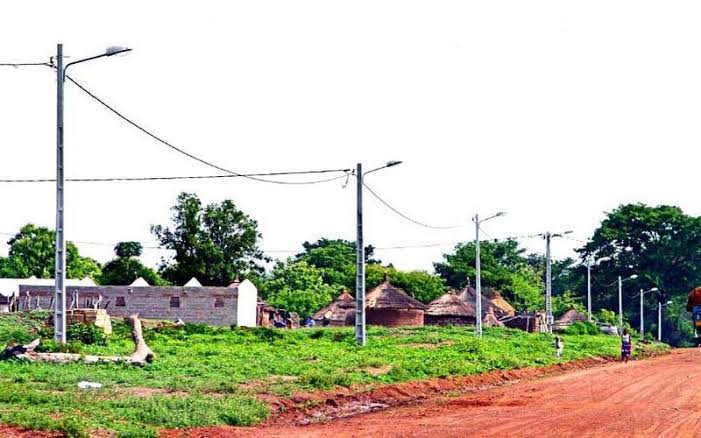
Progress in recent years has raised the national electrification rate to 86.2% in 2024, against 69.84% in rural areas. The objective is now to complete universal access to electricity by 2029, concentrating efforts on areas that are still insufficiently covered.
This ambition rests on continued investment in rural electrification and on solutions tailored to the characteristics of the localities to be served. It aims to guarantee every citizen, wherever they live, fair, reliable, sustainable and affordable access to electricity, while helping to reduce territorial disparities and support socio-economic development.
Together
Organisers and partners
The Round Table is organised by the Ministry of Energy and Petroleum together with the Ministry of Economy, Finance and Planning.
Organisers
With the support of
Take part in the 2026 Round Table
Participation is by invitation. Public institutions, technical and financial partners, private investors and civil society organisations may request accreditation online.